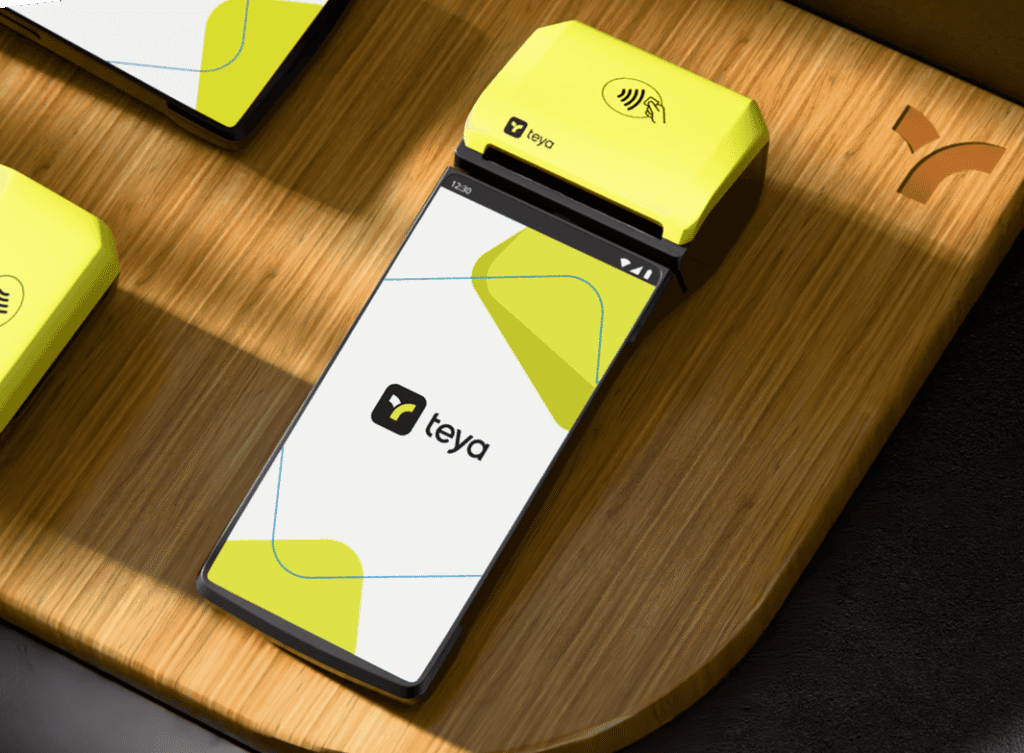
Teya and their card machines are one of the newer names in UK payment processing, but they’ve been signing up small businesses at a rapid pace. If you’ve recently been approached by Teya or you’re already using a Teya card machine, this guide breaks down exactly what they charge, what they don’t tell you upfront, and whether they’re actually a good deal for your business.
What is a Teya card machine?
Teya launched in the UK as a direct competitor to the likes of Square and SumUp, targeting small and independent businesses with what looks like a simple, affordable pricing structure. They offer card terminals, online payments, and a range of business tools alongside their processing service.
On the surface, the rates look competitive. But as with most processors, the headline rate isn’t always the full story.
What does a Teya card machine cost?
Teya card machine fees use a standard transaction rate, currently around 1.49% for most card types. There is no monthly fee on their basic plan, which makes it look attractive compared to processors like Worldpay or Barclaycard.
However, there are a few things worth checking on your specific contract:
- PCI compliance fees — some merchants report additional charges for PCI DSS compliance
- Terminal rental — if you’re renting rather than buying your terminal, check the monthly cost
- Contract length — check whether you’re on a rolling monthly or locked into a longer term
- Early termination fees — what happens if you want to leave before the contract ends
How does Teya compare?
At 1.49%, Teya card machines sits in the middle of the market. SumUp charges 1.69% with no monthly fee. Dojo starts from 1.40% but adds a £20 monthly fee. For lower volume businesses, Teya can work out cheaper than Dojo once you factor in that monthly charge.
Use our free calculator at the top of this page to see exactly how Teya compares against your current processor based on your actual monthly volume.
Who is Teya good for?
A teya card machine works well for small businesses processing between £5,000 and £20,000 a month who want a straightforward setup with no monthly fee and a competitive transaction rate.
Who should look elsewhere?
If you’re processing over £20,000 a month, you’ll likely find better rates through an interchange plus processor like Helcim. And if you’re on a tight budget and process lower volumes, Square or SumUp offer similar rates with no contract lock-in.
The bottom line
A Teya card machine is a legitimate option for small UK businesses, but as always, the devil is in the details of your specific contract. Always read the small print before signing, check whether you’re buying or renting your terminal, and use our calculator to make sure you’re genuinely getting a better deal before you switch.